.png)
Understanding Bonding in Electrical Installations
Electrical safety is a critical concern in every home and workplace. One key aspect that often goes unnoticed but plays a vital role in protecting people and property is bonding. In Ireland, bonding in electrical installations ensures that all metal parts that could carry electrical current are connected together and to the earth. This connection helps prevent electric shocks and reduces the risk of fire caused by electrical faults.
This article explains what bonding means in electrical installations, why it is essential, and how it is applied in practice.

What Is Bonding in Electrical Installations?
Bonding refers to the process of connecting all exposed metal parts and conductive materials within an electrical installation to create a continuous electrical path. This path ensures that if a live wire touches any metal part, the electrical current will flow safely to the earth, triggering protective devices like circuit breakers or fuses to disconnect the power quickly.
In simple terms, bonding links metal parts such as water pipes, gas pipes, structural steel, and electrical enclosures to the earth system. This connection prevents dangerous voltages from appearing on these parts, which could cause electric shocks.
Why Bonding Is Important in Ireland
Ireland’s electrical safety standards, governed by the National Rules for Electrical Installations , require bonding to protect people from electric shocks and to reduce fire hazards. The country’s climate and building practices make bonding especially important:
Damp conditions increase the risk of electrical faults and corrosion, which can affect metal pipes and wiring.
Many older buildings in Ireland have metal water and gas pipes that need proper bonding to ensure safety.
Irish regulations require specific bonding practices to meet safety standards and pass electrical inspections.
Proper bonding also helps maintain the integrity of the electrical system by ensuring fault currents have a low-resistance path to earth, allowing protective devices to operate correctly.
Types of Bonding in Electrical Installations
There are two main types of bonding used in Irish electrical installations:
1. Main Protective Bonding
Main protective bonding connects the incoming metal services, such as water and gas pipes, to the main earthing terminal of the electrical installation. This bonding is usually done at the point where these services enter the building.
Example: A copper conductor links the metal water pipe to the main earth terminal in the consumer unit (fuse box). This connection ensures that if a live conductor touches the water pipe, the fault current will trip the circuit breaker.
2. Supplementary Bonding
Supplementary bonding is used in specific locations where the risk of electric shock is higher, such as bathrooms or swimming pools. It connects all exposed conductive parts and extraneous conductive parts within that area to reduce the voltage difference between them.
Example: In a bathroom, supplementary bonding connects metal taps, shower frames, and metal pipes to prevent electric shock if a fault occurs.
How Bonding Is Installed in Homes
Bonding conductors are typically made of copper and sized according to the electrical load and length of the conductor. The installation must follow the guidelines set out in the ET 101 rules and the Irish Standard IS 10101.
Key Steps in Bonding Installation
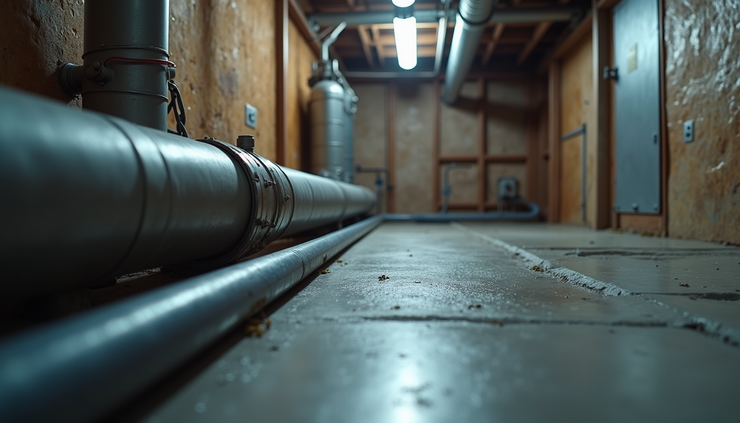
Identify all metal parts that require bonding, including water pipes, gas pipes, central heating pipes, and structural steel.
Use appropriate bonding conductors, usually green/yellow insulated copper cables.
Connect bonding conductors securely to metal parts using approved clamps or connectors.
Link all bonding conductors to the main earthing terminal in the consumer unit.
Test the bonding connections to ensure low resistance and continuity.
Common Bonding Challenges and Solutions
Corrosion and Loose Connections
Metal pipes and bonding clamps can corrode over time, especially in damp Irish environments. Corrosion increases resistance and reduces bonding effectiveness.
Solution: Regular inspection and maintenance of bonding connections are essential. Replace corroded clamps and clean metal surfaces before attaching bonding conductors.
Non-Metallic Pipes
Many modern homes use plastic pipes, which do not conduct electricity. This can break the bonding path.
Solution: Install supplementary bonding around plastic pipe sections or use metal fittings where bonding is required. Ensure bonding conductors connect to any metal parts near plastic pipes.
DIY Bonding Risks
Improper bonding can create hazards rather than prevent them. DIY bonding without proper knowledge can lead to loose connections or incorrect conductor sizes.
Solution: Always hire a qualified electrician familiar with Irish regulations to carry out bonding work.
The Role of Bonding in Electrical Safety Inspections
During electrical inspections in Ireland, bonding is checked to ensure compliance with safety standards. Inspectors measure the resistance of bonding conductors and verify that all required metal parts are bonded correctly.
Failing bonding tests can result in failed inspections, requiring corrective work before the installation is approved.
Practical Tips for Homeowners in Ireland
If your home has metal water or gas pipes, ask your electrician to check the bonding during routine electrical inspections.
When renovating older homes, ensure bonding is updated to current standards.
Avoid tampering with bonding conductors or connections yourself.
If you notice signs of corrosion or loose clamps, schedule a professional inspection.


Comments